


“There’s power in the American people that hasn’t been tapped yet. And I think to tap it, we’re going to have to somehow get our hands dirty, building roads locally, building machines locally, taking ownership of the means of production, not like as a communist, but I don’t know, something that doesn’t fit into either one of the parties right now.” — Ross, from Texas.
Welcome to another post asking, Is Anyone OK?
We interview regular people, asking who they are and how they feel their lives are going.
Today, we’re talking with Ross about steering a family of 9 — financially, morally, practically.
This is an ongoing project from Social Cohesion Lab. To get more info about this series, click here.
If you would like to be interviewed, click here. If you’d like to learn to be an interviewer, click here.
Ross
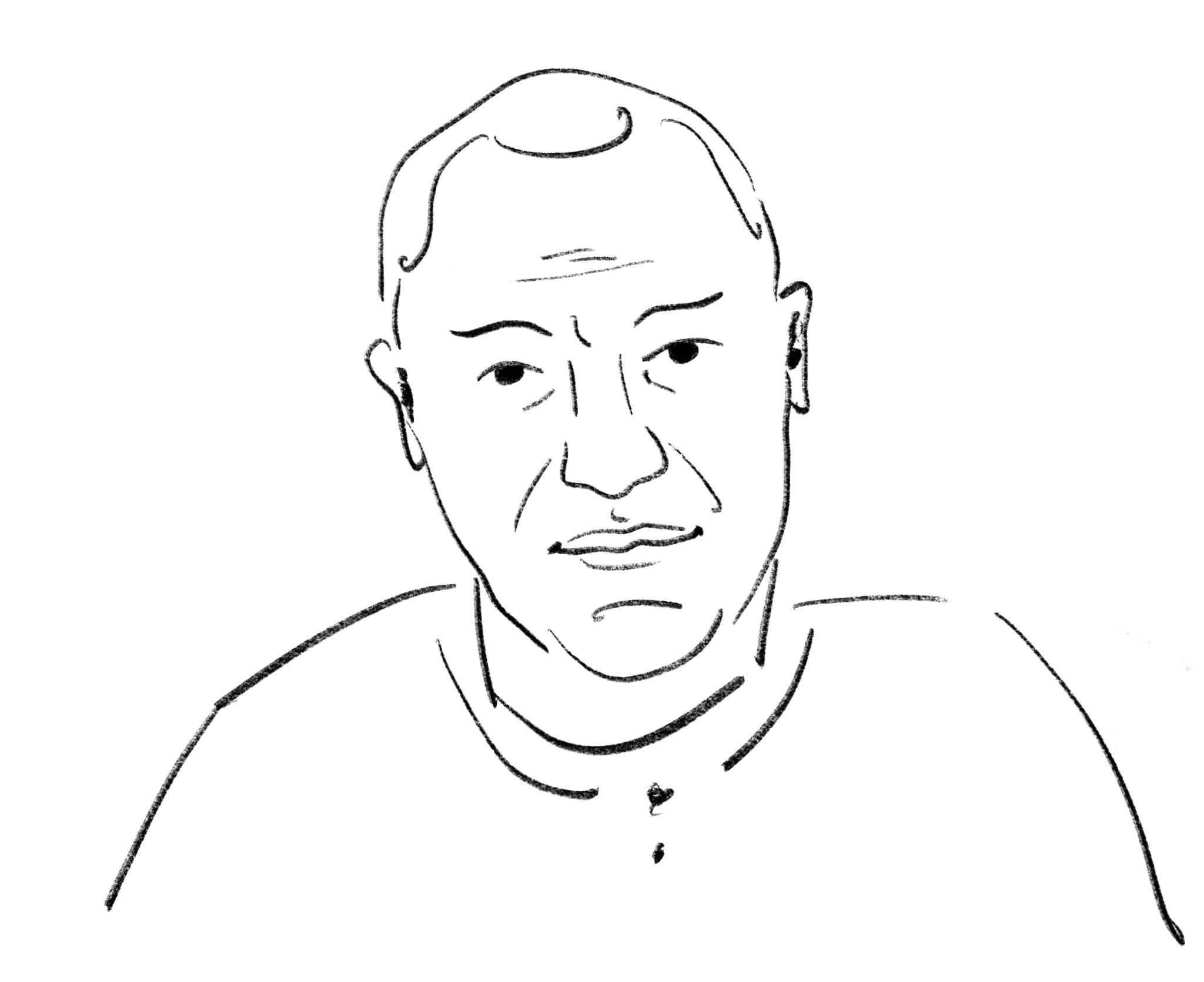
Ross, 43, lives in rural Texas, about an hour from Austin, near where he grew up. He works in tech, but his passion is fostering his and his family’s relationship with the land. He has 7 children from one past and one present marriage. Raised as an evangelical Christian, he is now a “bit of an anarchist”.

I am part of a family that migrated to Texas around the turn of last century, my family has been here making a living and growing. I have worked in agriculture, because my family did. I spend all my time with my kids and we’re always out in nature, learning and being healthy.
We grew up around our grandparents house, we weren’t in the city. So, you know, pop culture, I have a hindrance. I almost feel new to America in a weird way, even though we’ve been here a long time. And if you look in Texas, you’ll see these pockets of German immigrants… My generation, we’re not first generation Americans, but it kind of feels that way.
We grew up on bicycles and horseback, and we left the house early, went out either into the woods or rode into town and kind of did whatever we wanted with whatever money we could scrounge up. It was a great place to grow up. Very quintessential Texan, very quintessential American. Lots of friends whose parents knew each other.
My dad, he’s a big figure in my life, in that he’s just so out there. He’s sort of put upon himself the Renaissance man mantle. Both my parents were veterinarians, so a big part of my memory is being drug around with them, delivering calves and picking up dogs that are broken and all of that stuff. I broke rank after high school and went and studied computer science, but before that it was a real rural existence.
I have seven children, from two marriages. One ended in dramatic flames after ten years. We had four children together. And then five years after that, I started a new marriage. And we have three together.
My immediate family, it’s like a party every weekend here at this farm. Like, bring the kids together, give them some food, and then just kind of stand back. They’re getting into all kinds of stuff and they love each other a lot. They’re all really supportive of each other, from ages 18 to one and a half.
Four of them live in Longview, Texas, which is about 70 miles from here… No, what am I talking about, that was the set up years ago. I forget the two oldest ones moved in with me.
Tina, my wife, she helps me run the house and the farm. We have construction projects around here and she is much more handy than I am, or at least focused, anyways. She’s also really our community outreach, like she has tons of friends come over from the homeschool group. Some of the younger kids are in this homeschool group and they gather here and elsewhere. She really facilitates a richness of life for the kids that by myself I wouldn’t be able to.
As a child, I was really told that the reality was, you know, the Bible Belt Christian belief system. And over time, more so than anyone I knew, I really tried to validate the things that I was hearing. I went as far as to go to Bible College. I go there and I begin to see the reality of it, in terms of the money, where I said, I don’t know what I believe, but this certainly isn’t righteous. Like if there is a God, he didn’t want anything to do with this.
And so even to this day, I don’t fit in well with traditional evangelical groups. It’s not like I’m unchurched, I’m just in this space where the things that interest me about gathering with people, I find those connections outside of church. Like, having friends here, talking about what we think about the afterlife, or what we think about our spiritual responsibilities here on Earth.
My ex-wife, I believe one of the primary reasons the marriage ended was over this issue actually. Her new husband is a pastor and she always wanted a pastor for a husband or something. But she is very into the evangelical scene, and my children that live with her are as well. And it makes for sort of an interesting existence in being the dad who… ‘Why don’t you go to church?’ Well, I do go to church, but it’s out here when I’m walking in the fields.
My mother died when I was 15, and I think it had these big effects. I mean, they did grief counseling and stuff, but no one ever said, you know, there’s going to be these holes in your life that you’re going to need to fill, so you might need to compensate somehow. Like, what about a graduation party? Moms tend to get involved in that kind of stuff. And so I didn’t have one. I wasn’t really thinking, Well, I’m going to have to do a little extra work because Mom’s not around. Dad’s more like the stoic hermit, if you will.
Help me sort of visualize a typical Saturday at your home.
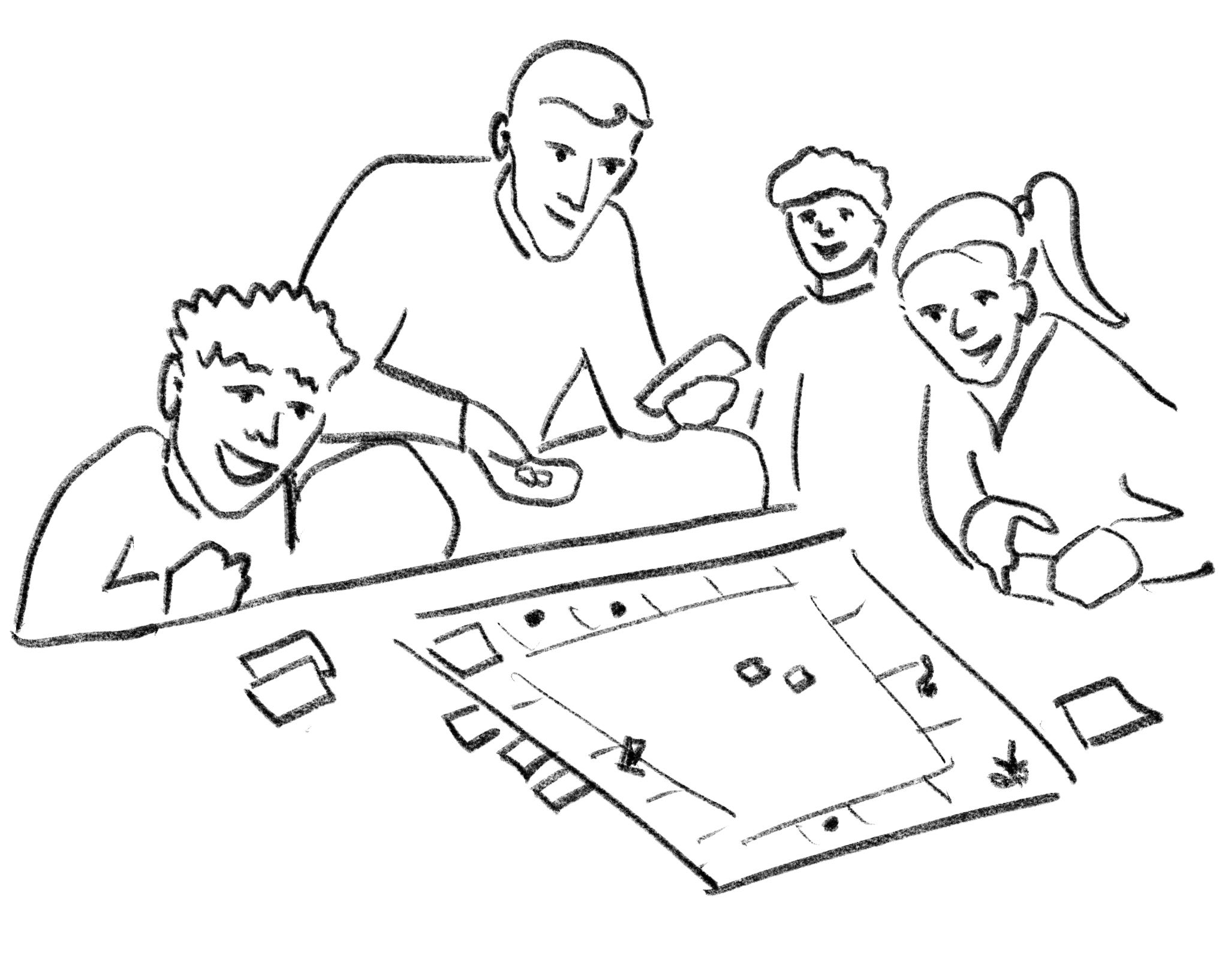
Funny thing is, the day starts the night before, because I work with groups from Pakistan and they come online at 10 p.m. So I’m usually making sure at 10 that they don’t have any questions for me. I get up pretty early, like five or six. Get outside, go straight to the top of the property, to where I can kind of see everything. I have someone that lives here on the farm, I call him my farm roommate. He lives in a camper up at the top and helps me with different maintenance things. I hang out up there for a couple of minutes and just kind of watch the house and do chores at a distance until I see people moving around down at the house. And I’ll kind of tell when breakfast is ready, so I’ll come down to the house and eat with them. I will try to get them all corralled and get some tools in their hands and head out to whatever we’re doing, digging a hole for some utilities or working on a fort or something. And we do whatever until the afternoon, and we’re all hungry. Then I’m trying to hustle up dinner, if we’re not going out. (Sometimes we go out on Saturdays, which in rural America, there’s not a lot of options, it’s like five places we’re going to choose from.) We smoke a lot of meat here, so barbecue brisket and chicken and stuff. We’re pulling it off the smoker, we’re sitting down as a family at the table. In the evenings, we have some people on YouTube that we watch sometimes, like there’s this crazy guy that traps coyotes and stuff, and he’s just hilarious. The two older ones are always going somewhere. And the younger ones and I, we’ll play some board games, read some books, do something without screens, because we try to get the blue light or whatever you call it out of our face for a couple of hours before we go to sleep.
How do you feel your life is going? How do you feel you’re doing?
I don’t have a lot of anxiety about hardly anything in terms of material things. I have no food concerns, health and safety for my family, nothing beyond the normal. Primarily I feel at a fork in the road, because of two things: One, my age. This is a time, supposedly, when you’re at your peak, like supposedly it’s going to go downhill from here. So how can I extend my health as far as I can, you know? Am I going to be lively and sharp at 65? At the same time, I’m beginning to come up with ideas to settle all the accounts. I mean, I can see the end… not trying to be bleak, but I will die, and I can feel it in my hip. You know, my hip is sore, what is that? That is death and it’s coming.
And, you know, professionally, I write software for a living. And supposedly in this middle age, I’m supposed to reap a bunch of rewards from all my work, and bless my children with free education and somehow give myself and my partner this graceful retirement. And in my case, my industry is being turned on its head in real time. I mean, it’s super exciting, don’t get me wrong, but there’s just a ton of pitfalls and opportunities to miss out on when you could be shining. It’s like someone that just happened to be born in Detroit and just happened to be a machinist at the turn of the century when Ford was making cars. And you get to decide, are you going to find the right place to fit into the automotive industry, or are you going to wind up accidentally working on something that gets outsourced to China in the next 20 years, who knows?
Me and my family, we have this sort of almost verbal history, this built in knowledge of how to grow vegetables, of how to husband animal herds. But we haven’t worked it into our schedule. We haven’t dug the pond out and set up feeders to grow our own fish. We don’t have the pen set up for beef, we don’t have the processing. And it might sound unimportant to younger people, but for me, I think it’s such an important piece of a legacy, to leave a farm that’s being worked, by family members. To say we’re a participant in this, we live the struggle, we know the seasons. These things leave a mark on your life.
I spend so much time working at a desk producing this money stuff that goes into a bank account, and then we take it to the grocery store. But I’m working very hard to shift things so that we are going out in the morning and tending to the plants and tending to the animals and then taking it easy until harvest and then picking it and storing it all and eating it and then repeating the cycle again. And that’s probably going to take the rest of my life to get perfected. That feels sort of like my marathon.
How do you feel about your relationship with your wife?
I think that we’re great friends. We’ve been together seven years now and I think we’ve gotten into some good habits. In terms of correcting the ship when we get into arguments, I think that we’ve developed the sort of rhythm where you can tell when we’re not big super fans of each other, and instead of being anxious about how we are going to come back together, we’ve gotten to the point where it’s like, Well, I know what’s going on here, we’re going to take a breather, I’ll see you tomorrow.
It’s definitely not all roses, but we both say things like, I choose you regardless of what’s going on. And one thing that’s really nice for me personally, is to have someone say, I choose you because I love you, as opposed to, I choose you because that’s what Jesus wants me to do. We are really on the same page on the religious thing. And that’s nice. Like two humans talking to each other. Not like you’re talking to me because Jesus told you to.
Is that different to your previous marriage?
Definitely, yeah.
Anything taking up space in your brain, that’s worrying you or stressing you out?
My oldest daughter, she changed her name in high school. Not legally, but just says, I want to be called Hunter. Her name was Emma. We call her Hunter. And she is, she dates women. She is a lesbian. And it’s really tough to wrap my head around what that means for me and her and for our family.
In a lot of ways, her and I are unaffected by that. But in some ways we are. For example, Hunter is very smart. She had signed a contract with the Navy to go into their nuclear propulsion program, and she was really set for some exciting things. Then during high school, kind of as part of this whole, I’m a lesbian, non-binary thing, she signed this thing called a 501 plan, where the independent school district will allow you to basically formally say that you have mental health issues that you want to be recognized and you want your teachers to recognize, and I want to work on them together, I suppose.
But I’m sort of an anarchist, antigovernment type, just because, it seems like everything they touch gets a little messy. And I told her, don’t do that. Be you, but don’t sign that paper. Like, don’t let them into your personal life. But she signed that paper. And she had this contract with the Navy. Then Pete Hegseth, the defense secretary, very explicitly wrote a memorandum to all branches saying that a number of new things would be disqualifying characteristics, and one of those was 501 plans. We’d already had a party, you know, Welcome to the Navy. She had no other plans, no college fund, nothing, just, I’m going to the Navy. And then two weeks before she shipped out, they tell her, it’s all off, everything’s off.
She lives here now. And to make it even more interesting, Tina is not a fan of Hunter’s lifestyle and in a lot of ways I’m not either. I mean like on the weekends Hunter will go to Arlington where some of her friends go to school. And I’m like, first of all, isn’t it strange to be hanging out with people that are going to school and you’re not going to school? Don’t you want to go to school? Little anxious about that for her.
And then also, she has a girlfriend. My background, when people are dating, their families know each other. Like, Okay you have a girlfriend, who are her parents? But I don’t know, I mean, that’s probably not unique to her.
We’re here for her. I’m just like, Stay here at the house if you want to. She was asking me how to get a job, I was kind of coaching on her resume. She started a job today, so some of that anxiety is melting away.
And the lesbian part of it, is that a religious stress of yours?
The root of it for me, actually, is pretty natural because like, I look at nature and I think, That’s that’s the way it ought to go. And in terms of lesbianism, I just don’t understand the sexual aspect of it. And maybe it’s not for me to understand, which is where I’m at. I’ve told her, I don’t understand that and I’m not going to try to understand that, but one thing I am still going to try to get is honor and valor, you know. Like it’s honorable to tell the truth. So even if you’re a lesbian, don’t lie, don’t cheat, that should still be a thing, right? Where honor can be found, it still should be sought out, in my opinion. I’m not faulting her, that’s just where I’m trying to find common ground.
I’m really pessimistic about the American dream and its future. I’m very optimistic about something new happening. I don’t know what that new thing is, but I want to take my family to a place where we can ride out the end of this capitalism and be prepared for whatever’s next. And that would be something that my children or grandchildren get to participate in.
But yeah, I hold no hope that there’s going to be some middle manager job at Caterpillar USA that is waiting for my son. That’s not going to be there. I’m just hoping that they will latch onto my teachings about mathematics and really latch on to getting their hands dirty.
There’s old country songs where it’s like, in the Depression, we were so poor, we didn’t even know the Depression was going on. I’m not trying to say I want to be poor, but there’s a type of living where market fluctuations don’t impact you… Let me try to land this plane: I think that there’s power in the American people that hasn’t been tapped yet. And I think to tap it, we’re going to have to somehow get our hands dirty, building roads locally, building machines locally, taking ownership of the means of production, not like as a communist, but I don’t know, something that doesn’t fit into either one of the parties right now.
Weighing up your life, how satisfied do you feel about who you are and where you are, out of 10?
9.5 - Like I’ve been fired from the bow and I haven’t hit the target, but I’m at the right velocity, I’m headed in that direction. Everything’s going that way.
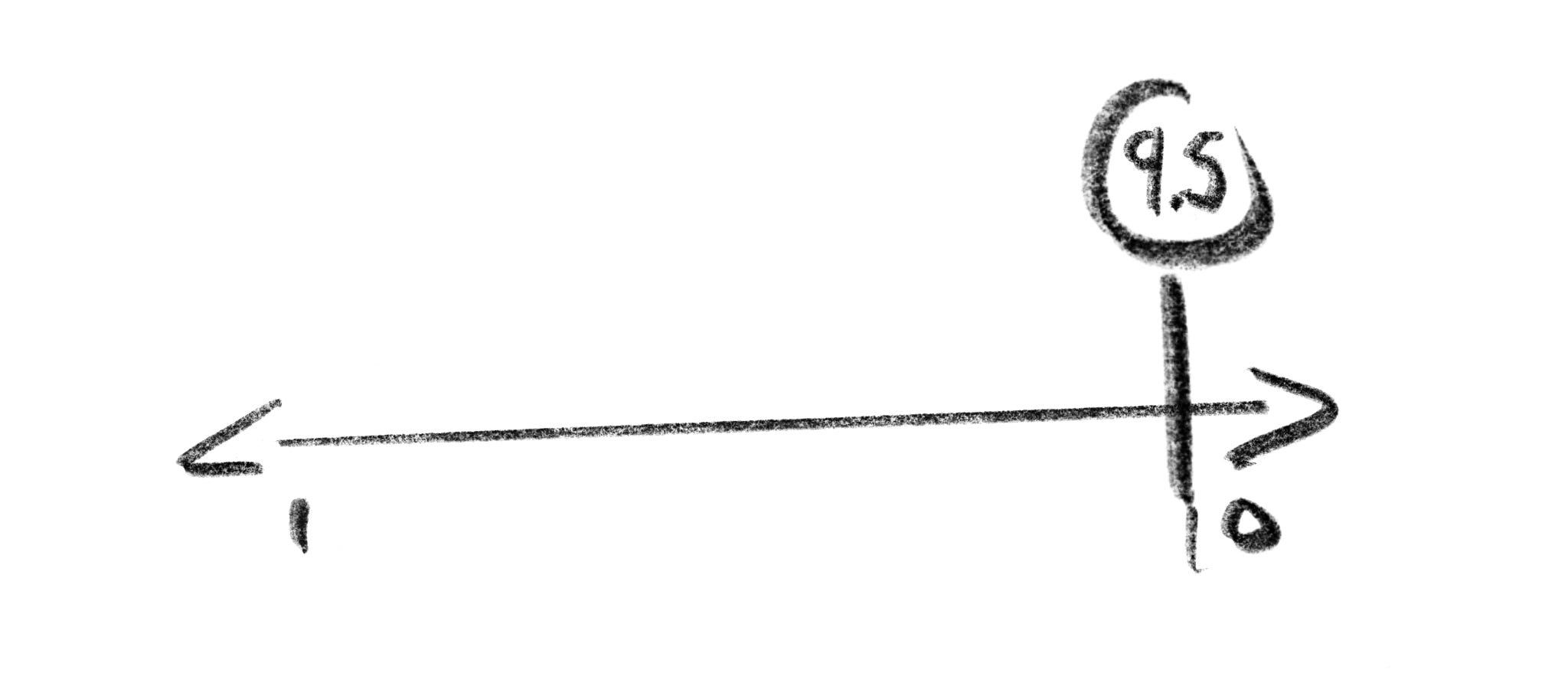
I’m optimistic and I get that. If you’re not optimistic, you can’t really dream all that well, I guess.

Another great discussion--thanks for the work.