


Just a quick post to update you all:
A couple of weeks ago I explained that I was going to take a break from the publication of “Is Anyone OK?” to have myself and readers think about the kinds of stories or people who may be missing from the current batch of conversations which have so far been released.
Your responses and my own instinct aligned about one key thing: If we are going to get to the heart of how people are doing, we should probably be looking for people who are at financial extremes to reflect on their lives.
We all know the adage that money doesn’t buy happiness. But my father-in-law says that money solves 80% of your problems and 100% of your money problems. Are rich people flourishing because of their wealth? Are poor people flourishing in spite of their lack?
If I look back at all the interview subjects so far, there have been a range of ages, cultures, politics and locations, but I would estimate that almost all of them fall somewhere between the top 50% of earners and the top 5%. That’s basically households earning somewhere above $75,000 per year but below $350,000. (Some may have substantial debts and some may have substantial assets.) On the whole I would say that there has not been a glaringly obvious correlation between those who are more affluent feeling that they are doing better than those who are less. We have seen plenty of people with relatively modest incomes who say they are doing very well, and several well-paid professionals who don’t.
But does that all change when we look further to the end of the spectrum? Maybe it is obvious that someone who is experiencing extreme financial hardship is going to rate themselves as ‘less OK’ than someone who isn’t. But I suspect there is going to be nuance to this, and I have been surprised already by this project. (This feels like a good time to remind everyone that I am not a social scientist, that there is a lot of quantitative data about this question, but that I am much more interested in the narratives behind this data.)
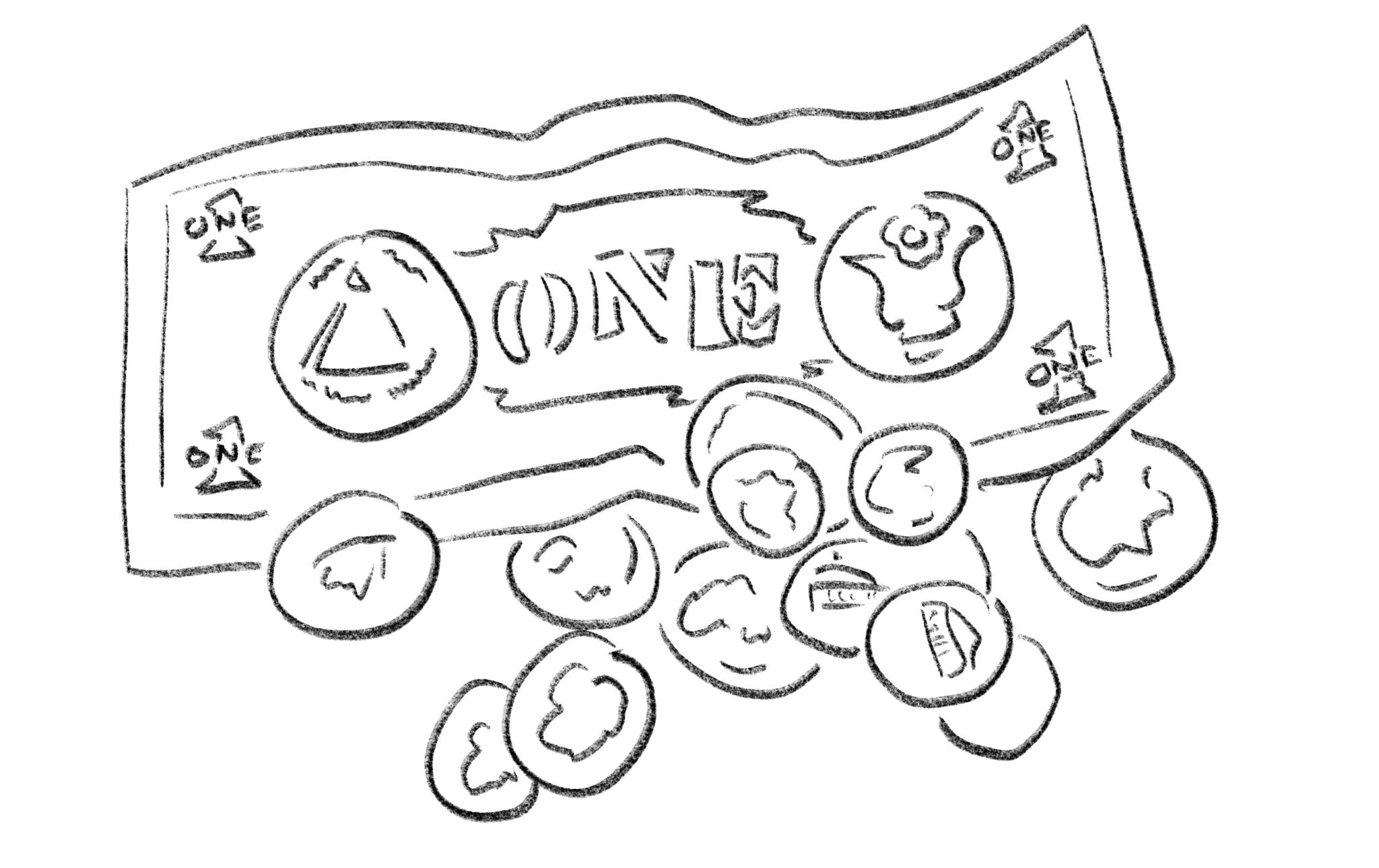
So, for the next short while, we will be focusing on finding subjects who are in the top 1% or in the bottom 20%. For reference, the top 1% in the US is someone in a household with an income above $650,000–$800,000 or someone who has assets above $10 million. The bottom 20% would have a household income of less than $25,000, and might have zero savings or in fact be overall in debt.
I hope you don’t think it crass to so explicitly use this demographic for directing our conversations — it just seems naive to not be honest about how important this one factor could be in determining how people feel their lives are going.
Once more I will turn to you our readers for some creative support. If you are, or know someone who lies in either of these categories and would be willing to talk to me, please get in touch. Like all of our interviews, we will change all identifying information to protect anonymity. It will take a little while to gather some of these subjects, and as always, we appreciate your interest in this project.
Ben
PS: For those of you who are paying supporters, while we do this story-gathering, we have paused charges. You can still subscribe though. I deeply appreciate all the engagement.
